
Industries · Food
Controlling the critical point takes twenty seconds. Proving it, three days.
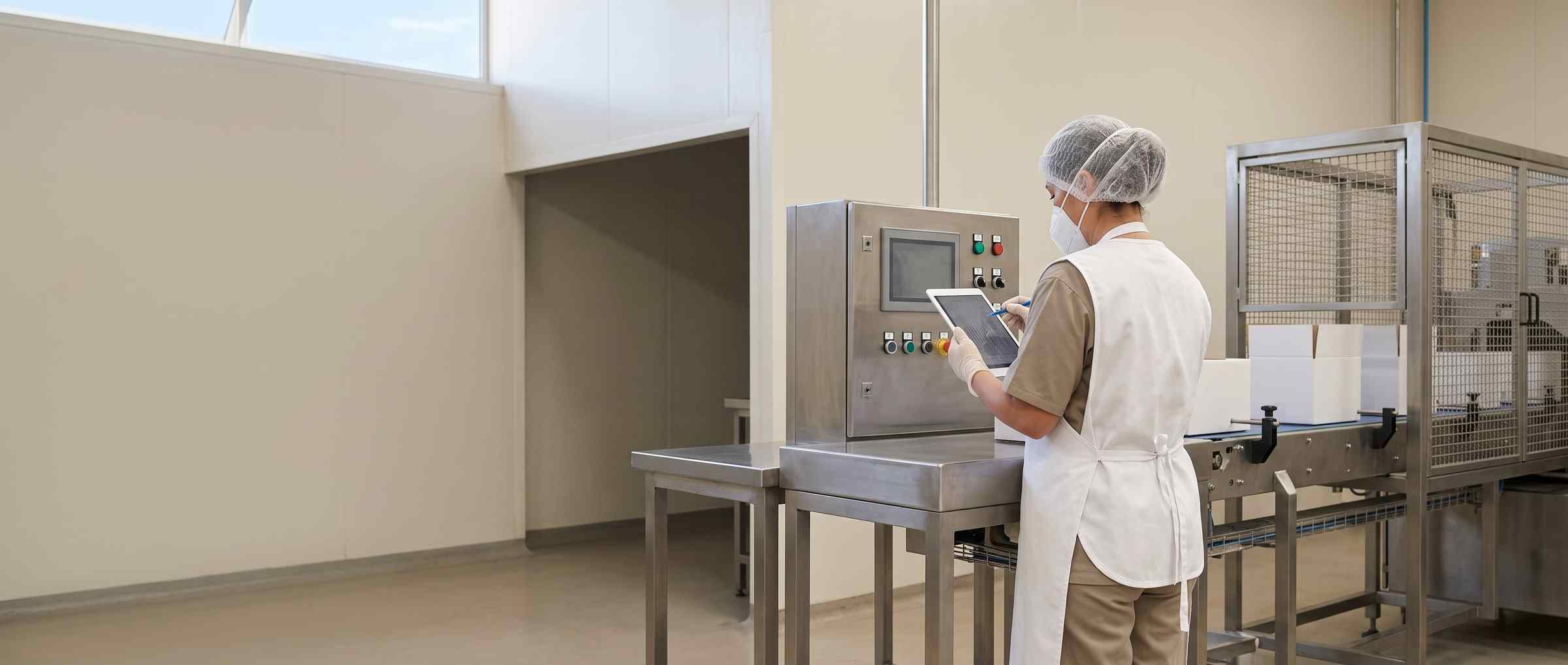
PAIR digitises the CCP, pre-operational, cold chain and food handler sheets exactly as they are in your HACCP manual: same letterhead, same checkboxes. They get filled with no signal inside the process room, and the approval is signed with the server’s timestamp, never the phone’s: that is why it is the one step that needs a connection.
What happens today
- The CCP sheet is filled in ballpoint next to the cooking tunnel. If at 03:40 the temperature went out of range and nobody wrote down the corrective action, it surfaces the following week and the lot has already shipped.
- Inside the process room there is no signal: sandwich panel, cold store and steel structure. Any tool that demands a connection is abandoned in the first week and the paper comes back.
- The truck arrived at 7 °C instead of 4 °C, and the argument with the carrier is one word against another: there is no photo of the display and no time that counts.
Five different processes, with the role that does them today
- 01
Critical control point verification on the line
- Who does it today
- The shift quality inspector records every hour; the quality assurance supervisor verifies at shift close.
- What is left
- An out-of-range value will not let the form close until the corrective action, the destination of the held product and the photo are recorded.
- 02
Pre-operational check and line release on the plan
- Who does it today
- The hygiene and sanitation supervisor, at 05:30, before start-up.
- What is left
- Every finding pinned to the point on the equipment and to its level — the service mezzanine is a plan of its own — and the release signed with the open findings declared.
- 03
Cold chain at the receiving dock
- Who does it today
- The raw material receiving lead, with the truck standing.
- What is left
- The photo of the recorder display with its time and its coordinate, plus the plate, the seal, the lot and the destination chosen: rejection, conditional acceptance or hold.
- 04
Audit of suppliers and third-party plants
- Who does it today
- The supplier development manager, at the packing house or the slaughtering plant.
- What is left
- The scored report signed before getting back in the truck, and every supplier compared against the same checklist instead of against fourteen different documents.
- 05
Daily food handler control
- Who does it today
- The shift supervisor, at the entrance to the process room, every day.
- What is left
- The same record with the name and the national ID masked according to who is looking, on the PDF and the spreadsheet too; unmasking requires a written reason that stays with whoever asked for it.
What is required of the record, and where it is stored
This table does not replace your HACCP manual or your sanitary authorisation: those are yours. It is what is required of the record itself: when it is created, who signs it, within how many days it is reviewed and who may read what it says.
| What the regulation requires | What evidence PAIR produces |
|---|---|
| 21 CFR 117.305(d) and (f) Concurrent record The record is created concurrently with the performance of the activity documented, and carries the date and, where appropriate, the time, the signature or initials of the person performing the activity, and the identity of the product with its lot code. | The form is filled at the point of control and not afterwards: it keeps its capture time, who filled it and the lot. Inside the process room there is no signal and it gets filled anyway. |
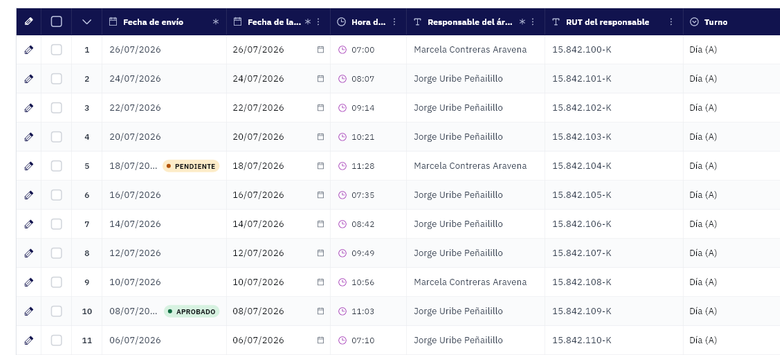
| 21 CFR 117.165(a)(4)(i) Records review Monitoring and corrective action records are reviewed within 7 working days of being created, by or under the supervision of a preventive controls qualified individual, or within a reasonable time with a written justification. | The supervisor’s verification is stored as an approval with the server’s timestamp, and the record shows how many days passed between filling and review. |
| DS 594 art. 11 Order, cleanliness and pest control Keep the workplace in conditions of order and cleanliness, and control pests. | The pre-operational round with every finding pinned to the point on the plan and to its level, with photo, time and coordinate: it is what you show when they ask since when the observed condition had existed. |
| Ley 21.719 · Ley 19.628 art. 16 bis e) and DS 44 art. 73 Worker health data From 1 December 2026, a worker’s sensitive data may be processed without consent where it is necessary for preventive or occupational medicine and for assessing fitness for work; and preventive management records must be kept safeguarding information of a sensitive or confidential nature about the workers. | Name and national ID masked according to the role of whoever is looking, on the PDF and the spreadsheet that get exported too. Unmasking requires a written reason, and the reason stays with whoever asked for it and when. |
The bodies named are the regulators. PAIR neither represents them nor carries their endorsement.
What you start with
Built for a Chilean process plant. And if your sheet is already approved inside the manual, better still: you upload the scan and the PDF comes out with the same letterhead and the same checkboxes.
- CCP verification per line: cooking, pasteurisation, metal detector and X-ray
- Hold and release record for non-conforming product
- Pre-operational inspection of the process room, with line release
- Cleaning and sanitation record per area and shift
- Pest monitoring per bait station and light trap
- Raw material receiving control: temperature, seal, transport condition and destination
- Cold store and tunnel temperature control per round
- Daily food handler control: uniform, jewellery, wounds and health condition
- Supplier audit checklist, with score and major and minor non-conformities
Demo
Bring us your CCP sheet
A CCP sheet or a pre-operational check you use today: in thirty minutes you will see it digitised and filled from a phone, with no signal, inside the process room.
- Would you rather look at the plans first? See pricing.
- Still have questions? Check the FAQ.