
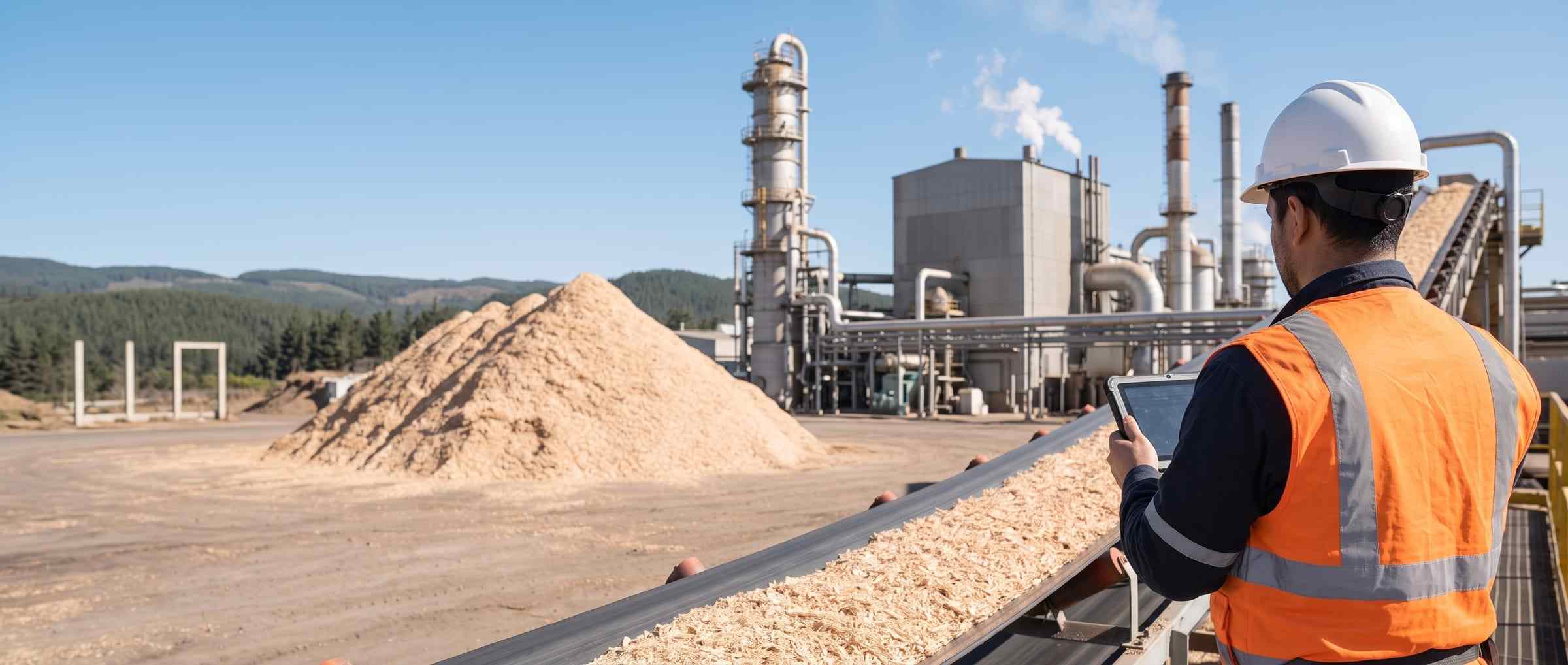
Pulp and paper mill inspections, closed out before startup.
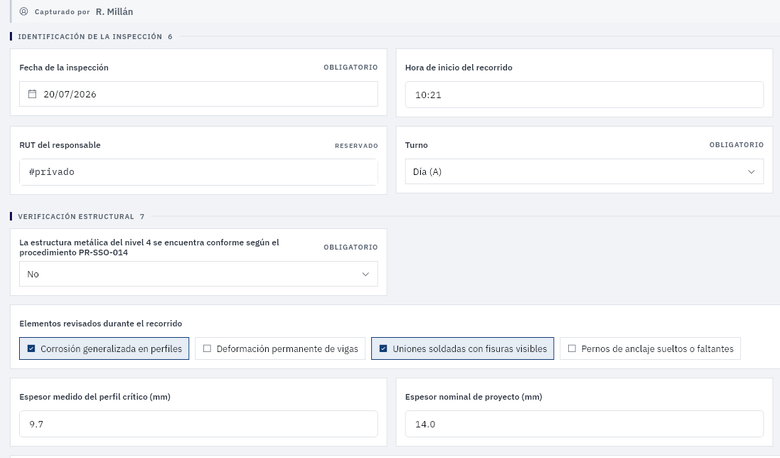
The form your mill already uses, digitized as is. Filled out by photo and voice, with no signal under the steel, and every finding pinned to its level and asset.
What it costs your mill today
- During the outage, inspection sheets pile up and startup waits for someone to type them in.
- The photo of the recovery boiler finding shows no level and no date, and nobody remembers who took it.
- The failure comes back, the asset history is scattered across three shifts of spreadsheets, and troubleshooting starts over.
Five processes that cost your mill hours today, and how PAIR changes them
- 01
Mill shutdown · major maintenance inspections
- Today
- Each contractor turns in paper sheets at shift end, and planning keys them in while the outage clock keeps running.
- With PAIR
- Every record arrives time-stamped and signed. Rules create the task with an owner and a due date, and progress shows on the dashboard.
- 02
Recovery boiler · inspection by elevation
- Today
- Findings go into a notebook and get located from memory: “north side, roughly the third floor.”
- With PAIR
- Every finding is pinned to its boiler elevation, with photo, time and owner, and added to the asset history.
- 03
Digester and fiber line · equipment rounds
- Today
- Operators walk pumps, valves and tanks with a printed checklist that gets keyed in, if ever, at week’s end.
- With PAIR
- The round is filled out by photo and voice, offline. AI proposes the values and the operator approves them before closing.
- 04
Paper machine · rolls, clothing and dryers
- Today
- The anomaly lands in the shift log, not in the asset history, and next time nobody can find it.
- With PAIR
- Every anomaly is added to the asset history, and the dashboard shows where it repeats, no spreadsheet required.
- 05
Woodyard and effluent treatment · daily rounds
- Today
- The day’s readings and observations are copied into spreadsheets, and the monthly report is pieced together by email.
- With PAIR
- Every reading keeps its fill time. The report comes out as a PDF with your company letterhead, or exports to Excel.
What you start with
- Shutdown major maintenance inspection, by asset and by contractor
- Recovery boiler inspection by elevation, with photo evidence
- Work permit and lockout/tagout for equipment intervention
And many more, built around your operation. Ask us.
Related industries
Frequently asked questions
How do you digitize shutdown inspections at a pulp mill?
Send a photo or a PDF of the form you already use, and PAIR digitizes it with its sections, fields and checkboxes. Onboarding is included. Every record arrives time-stamped and signed, and the report builds itself.
Does it work with no signal inside the recovery boiler?
Yes. It fills out offline, and anything pending syncs on its own once coverage returns. Every record stores both the fill time and the server arrival time, so the evidence holds no matter where the inspector was.
How do you track maintenance history by asset at a paper mill?
Every inspection is added to the asset history, with due dates per item. Every correction logs who, when and why. Everything exports to Excel or PDF, and a read-only API feeds Power BI.
Demo
Send us the form for your next shutdown
Send a photo or a PDF of the form your mill uses today, and we hand it back digitized, ready to fill out in the field, with or without signal.
- Would you rather look at the plans first? See pricing.